

Table of Contents
- Understanding Eczema-Prone Skin and Soap Sensitivity
- Why Traditional Soap Triggers Eczema Flare-Ups
- Best Natural Ingredients for Eczema Relief
- Benefits of Goat Milk Soap for Eczema
- Dead Sea Mud Cold Processed Soap
- Ingredients to Avoid When You Have Eczema
- Building a Natural Skincare Routine for Eczema
- How to Choose the Right Natural Soap for Sensitive Skin
- Frequently Asked Questions
Last Updated: September 23, 2026
Understanding Eczema-Prone Skin and Soap Sensitivity
Eczema (atopic dermatitis) is a chronic inflammatory skin condition with intense itching, redness, and a compromised barrier. The weakened outer layer allows moisture to escape through transepidermal water loss, leaving skin dry, inflamed, and hypersensitive to triggers.
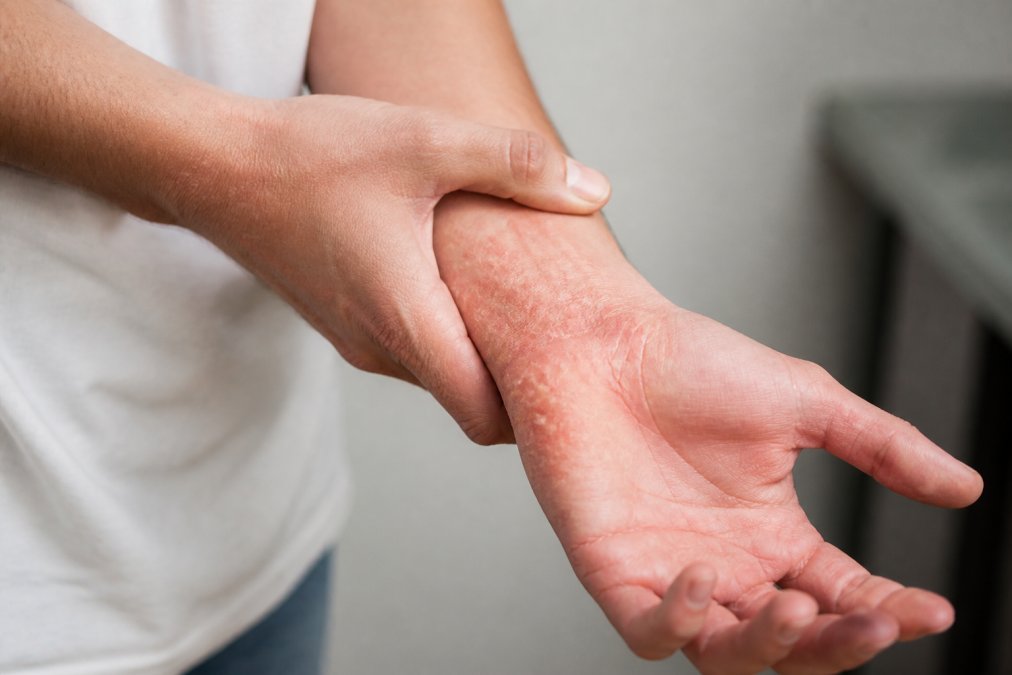
Conventional soaps contain synthetic surfactants that strip the skin's natural lipid barrier, triggering immediate inflammation in eczema-prone skin and perpetuating cycles of irritation and flare-ups.
Natural soap eczema products work differently because they're formulated to cleanse without destroying the skin's protective mechanisms. Unlike harsh commercial alternatives, natural soaps preserve the skin's pH balance and contain ingredients that actively support barrier repair rather than compromise it.
Why Traditional Soap Triggers Eczema Flare-Ups
Traditional soaps rely on harsh surfactants designed for maximum lather and cleaning power. For eczema-prone skin, this aggressive action is catastrophic.
Surfactants dissolve the lipid barrier, causing immediate water loss and triggering an immune response that intensifies the itch-scratch cycle.
Synthetic fragrances trigger allergic contact dermatitis, while sulfates strip the skin and disrupt the beneficial bacteria that regulate inflammation.
Parabens are linked to inflammatory responses and are unnecessary in natural soaps using alternative preservation methods like vitamin E or rosemary extract.
Best Natural Ingredients for Eczema Relief
Goat Milk and Colloidal Oatmeal
Goat milk contains higher levels of alpha-hydroxy acids for gentle exfoliation and has a pH closer to skin's natural pH (6.5), preventing barrier disruption.
Goat milk's protein structure removes irritants without stripping oils.
Colloidal oatmeal contains avenanthramides with documented anti-inflammatory effects that coat the skin and reduce eczema itching.
Goat milk and colloidal oatmeal work synergistically: goat milk cleanses gently while maintaining pH balance, and colloidal oatmeal soothes inflammation. Products like Honey Oats Goat Milk Soap from Azady Soap address both cleansing and healing needs.

Nourishing Oils and Butters
Natural oils and butters fill gaps in the skin barrier and prevent moisture loss. Shea butter, mango butter, and coconut oil mimic skin's natural lipid composition. Cold-process methods preserve these oils' beneficial properties, creating products that restore barrier function.
Olive oil and avocado oil contain polyphenols and vitamins that reduce oxidative stress and amplified inflammatory responses.
Coconut oil, used in moderation, has antimicrobial properties that support skin microbiome health and strengthens the barrier with lauric acid.
Benefits of Goat Milk Soap for Eczema
Goat milk soap helps prevent barrier damage that can trigger inflammatory itch responses.
Goat milk's natural humectants help retain moisture, addressing chronic dryness.
For moderate to severe eczema, goat milk soap can be a gentle cleansing option, though any changes to corticosteroid use should be discussed with a dermatologist.
Long-term, consistent use can support skin as the barrier repairs, potentially reducing overall reactivity to previous triggers.
Dead Sea Mud Cold Processed Soap
Soap with Dead Sea Mud can be a gentle, soothing cleanser for eczema-prone skin, Note that soap containing Dead Sea mud, is not a proven medical treatment or cure. I formulated this bar and left it unscented to help skin in the more sensitive side.
What the Soap Does:
Mineral Rich: Dead Sea mud contains high levels of magnesium, calcium, and potassium, which can help nourish and calm irritated skin.
Gentle Cleansing: Cold process soap retains natural glycerin, making it less stripping than commercial detergent-based soaps if formulated with nourishing oils like olive or coconut oil.
Mild Exfoliation: The fine silt provides very light cleansing without the harsh physical abrasion of coarse salts or scrubs.
Ingredients to Avoid When You Have Eczema
Synthetic fragrances are the most common trigger for eczema flare-ups. Choose genuinely unscented products or those scented only with essential oils below 2-3% concentration.
Sulfates (sodium lauryl sulfate and sodium laureth sulfate) are highly irritating and should be completely avoided.
Parabens are linked to inflammatory responses and are unnecessary in natural soaps using alternative preservation methods like vitamin E or rosemary extract.
Artificial colorants trigger contact dermatitis. Choose soaps colored with clay, charcoal, or plant-based pigments.
Essential oils can irritate at high concentrations. Tea tree and eucalyptus are particularly problematic. Verify concentration is below 2-3%.
Building a Natural Skincare Routine for Eczema
A complete routine requires more than natural soap alone. You must address hydration, barrier repair, and water quality, which directly impacts soap efficacy.
The Cleansing Step: Temperature, Duration, and Technique
Use lukewarm water (90-95°F), not hot. Hot water increases transepidermal water loss and triggers inflammatory responses in eczema-prone skin.
Use soap for 60-90 seconds on areas needing cleansing (hands, underarms, feet, folds). Pat dry gently, leaving skin slightly damp for the next step.
Immediate Hydration: The Two-Minute Window
Apply hydrating products within two minutes of cleansing while skin is still damp, when absorption is most effective.
Apply a lotion with humectants (glycerin, hyaluronic acid) and emollients (shea butter, ceramides) to seal moisture. Skipping this step significantly reduces routine effectiveness.

Understanding Hard Water and Its Impact on Eczema
Hard water, with high mineral concentrations, reacts with natural soap and creates residue that accumulates on skin, a critical factor most articles ignore.
Hard water minerals bind to soap and form soap scum that clogs pores and traps bacteria. This invisible residue triggers or worsens eczema flare-ups.
Hard water (60+ ppm) is common and prevents natural soaps from lathering well, leaving skin sticky or uncomfortable.
Test water hardness with an inexpensive kit or contact your local water utility. If hard water is confirmed, consider these options:
Install a water softener ($1,000-2,500) to remove minerals. For severe eczema, this investment often pays for itself through reduced medical costs.
Use citric acid in rinse water ($10-20 for powder). Add 1 tablespoon per gallon for a final rinse to prevent soap residue.
Use syndets (synthetic detergents) formulated for sensitive skin if you can't install a softener. They work effectively in hard water.
Use distilled water for final rinse if you have very hard water. More expensive than chelating agents but highly effective.
Frequency of Cleansing and Barrier Recovery
Limit cleansing to once or twice daily. Over-washing prevents barrier recovery and perpetuates dysfunction.
Once-daily cleansing (evening) is often sufficient. Morning cleansing can be lukewarm water rinse plus moisturizer, without soap.
The Complete Routine Timeline
Evening routine:
- Rinse with lukewarm water (90-95°F)
- Apply natural soap for 60-90 seconds, focusing on areas that need cleansing
- Rinse thoroughly with lukewarm water (or chelating rinse if you have hard water)
- Pat skin dry gently, leaving it slightly damp
- Apply hydrating lotion or cream within 2 minutes
- Optional: Apply a heavier occlusive product (like a barrier repair cream) to areas prone to flare-ups
Morning routine:
- Rinse with lukewarm water only (no soap)
- Pat dry gently
- Apply hydrating lotion or cream
- Apply sunscreen if going outside (UV exposure can trigger flare-ups)
Avoiding Common Routine Mistakes
Avoid hot water, skipping post-cleanse hydration, using multiple new products simultaneously, over-cleansing, and ignoring humidity. Maintain 40-60% indoor humidity with a humidifier to reduce flare-ups.
How to Choose the Right Natural Soap for Sensitive Skin
Choosing the right natural soap requires understanding ingredient safety and pH balance, not just ingredient lists.
Understanding pH Balance in Natural Soap
Skin's natural pH (4.5-5.5) is essential for barrier maintenance. Traditional alkaline soaps (pH 9-10) disrupt this balance and increase permeability.
Natural soaps for sensitive skin should have pH 5.0-6.5 to prevent barrier disruption and allow repair.
Verify pH on the label.
Reading Ingredient Lists for Surfactant Concentration
The first five ingredients indicate concentration. For eczema-prone skin, the first ingredient should be a nourishing oil or butter, not a surfactant.
If sulfates appear in the first five ingredients, the soap is too harsh regardless of marketing.
Choose soaps made via cold-process, with transparent ingredients.
The Patch Test Protocol: A Step-by-Step Approach
A patch test is the only reliable way to determine if a soap works for your skin before regular use.
Manufacturing Method and Lye Quality
The way a soap is made affects its gentleness and safety. Cold-process soaps are made at temperatures which can preserve the beneficial properties of oils and butters. For eczema-prone skin, cold-process is a beneficial choice.
Lather Quality as an Indicator of Gentleness
A soap that produces excessive, dense lather is likely high in surfactants designed to maximize cleaning power. For eczema-prone skin, you want a soap that produces a soft, creamy lather that doesn't require vigorous scrubbing. This gentle lather indicates a formulation balanced toward nourishment rather than aggressive cleansing.
Prioritizing Consistency Over Price
A bar of natural soap formulated specifically for sensitive skin, like those from Azady Soap, reflects the cost of higher-quality oils, the cold-process manufacturing method, and the smaller batch sizes of artisanal makers. While the upfront cost may be higher, the long-term value can be significant. When you consider the potential for improved skin health, a higher-quality natural soap can be a beneficial choice.
Frequently Asked Questions
Can natural soap help with eczema, or will it make it worse?
Natural soap can help eczema when formulated without harsh surfactants, synthetic fragrances, and sulfates that strip the skin barrier. Soaps made with goat milk, colloidal oatmeal, and nourishing oils work to cleanse gently while maintaining moisture. However, results depend on the specific formula—patch testing on a small area first is wise, as individual sensitivities vary. Many people with atopic dermatitis find that switching to pH-balanced natural soap reduces flare-ups compared to commercial bars.
What ingredients in natural soap are best for eczema?
Look for goat milk, which provides a gentle, milky cleanse without stripping natural oils; colloidal oatmeal, proven to calm inflammation and soothe pruritus; glycerin and honey as natural humectants that draw moisture to skin; and nourishing oils like olive, coconut, and avocado that support the lipid barrier. Opt for fragrance-free formulas or those scented only with essential oils rather than synthetic fragrance compounds. Shea and mango butters add emollients that prevent transepidermal water loss.
How long does it take to see results from natural soap for eczema?
Many people notice softer, less irritated skin within 1-2 weeks of switching to a natural, eczema-friendly soap. Improvement in redness and flare-ups can often be seen within 3-4 weeks as the skin barrier gradually strengthens. Results depend on consistency, water quality, and how severe your eczema is. Using a natural soap as part of a complete routine—including moisturizing lotion immediately after washing—speeds visible improvement.
Should I patch test natural soap if I have severe eczema?
Yes, patch testing is essential for severe or unpredictable eczema. Apply a small amount of lathered soap to a discreet area (inner arm or behind the ear) and wait 24-48 hours to check for irritation before using it on your face or body. This simple step prevents triggering a painful flare-up. Even natural soaps can irritate individual skin types, so this precaution is worth the wait.
